
TCM Herbal Tips
Curious about Chinese herbs but not sure where to start? Explore our guide to commonly used herbs and learn about their traditional functions, properties, and uses in Traditional Chinese Medicine. Browse by what you’re interested in or search for a specific herb/function to learn more.
Dang Gui (当归): Chinese Angelica Root
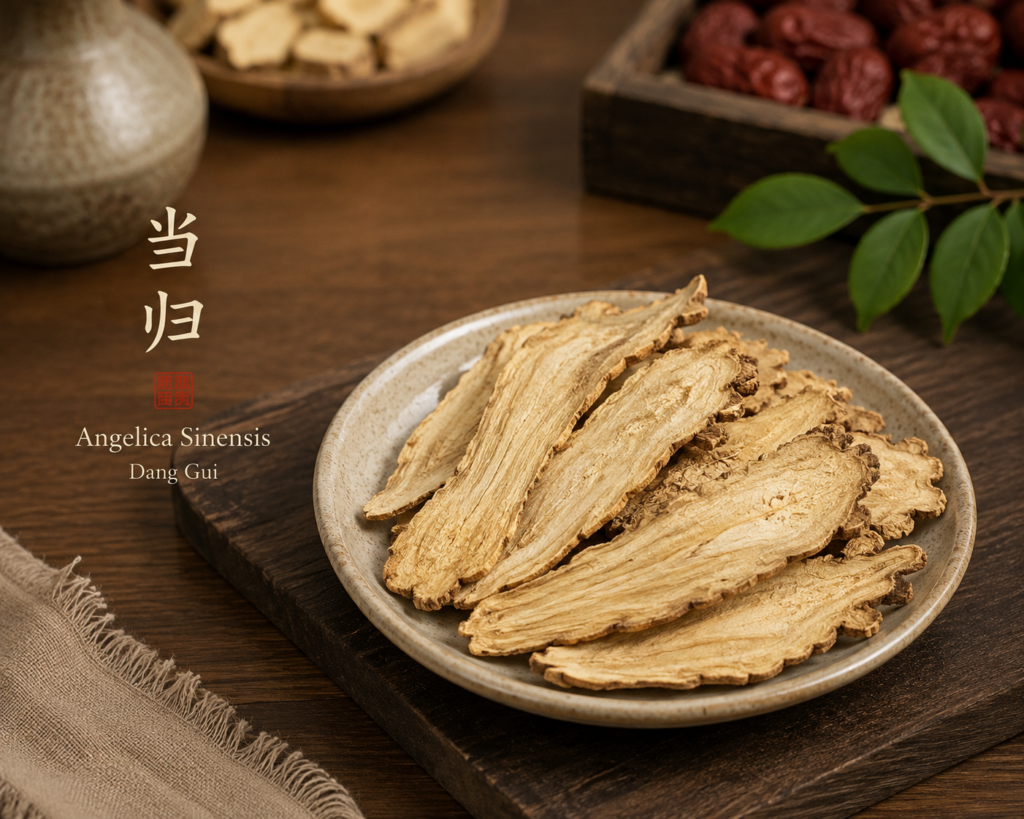
Dang Gui is a valued TCM herb traditionally used to nourish and invigorate the blood, support women’s health, regulate menstruation, promote healthy circulation, and ease fatigue and discomfort associated with blood deficiency. It is also commonly used to support healthy digestion and regular bowel movements. Dang Gui can be enjoyed in soups, including chicken and noodle soup.
Ling Zhi (灵芝): Reishi Mushroom
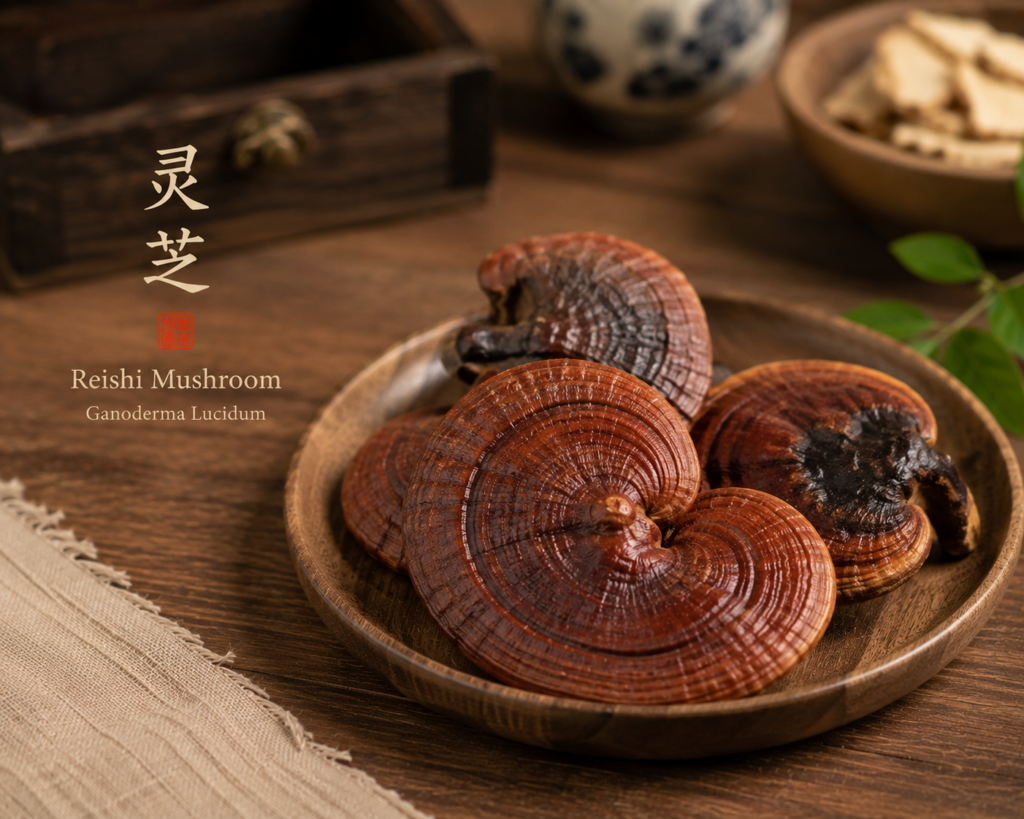
Ling Zhi, commonly known as reishi mushroom, is a valued TCM herb traditionally used to support Qi, calm the mind, nourish the Lungs, and promote overall vitality. It is also commonly used to support restful sleep, maintain energy, and promote general wellness. Because Ling Zhi is an herbal medicine, it is best used according to individual health needs. Please book an appointment with our licensed practitioners for personalized guidance.
E Jiao (阿胶): Donkey-hide Gelatin
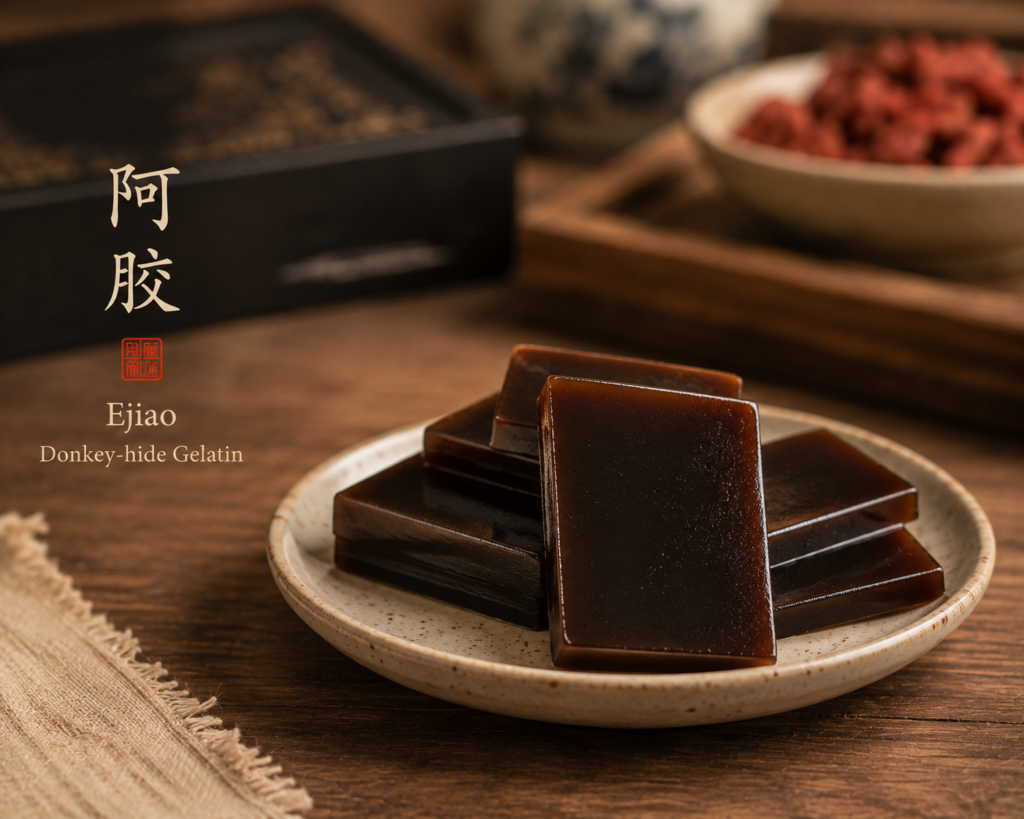
E Jiao, commonly known as donkey-hide gelatin, is a valued TCM herb traditionally used to nourish and tonify Blood, support Yin, help stop bleeding, and replenish the body. It is particularly valued for supporting individuals with Blood or Yin deficiency and is often prepared as part of herbal formulas. E Jiao is best used according to individual TCM needs. Please book an appointment with our licensed practitioners for personalized guidance.
Luo Han Guo (羅漢果): Monk Fruit
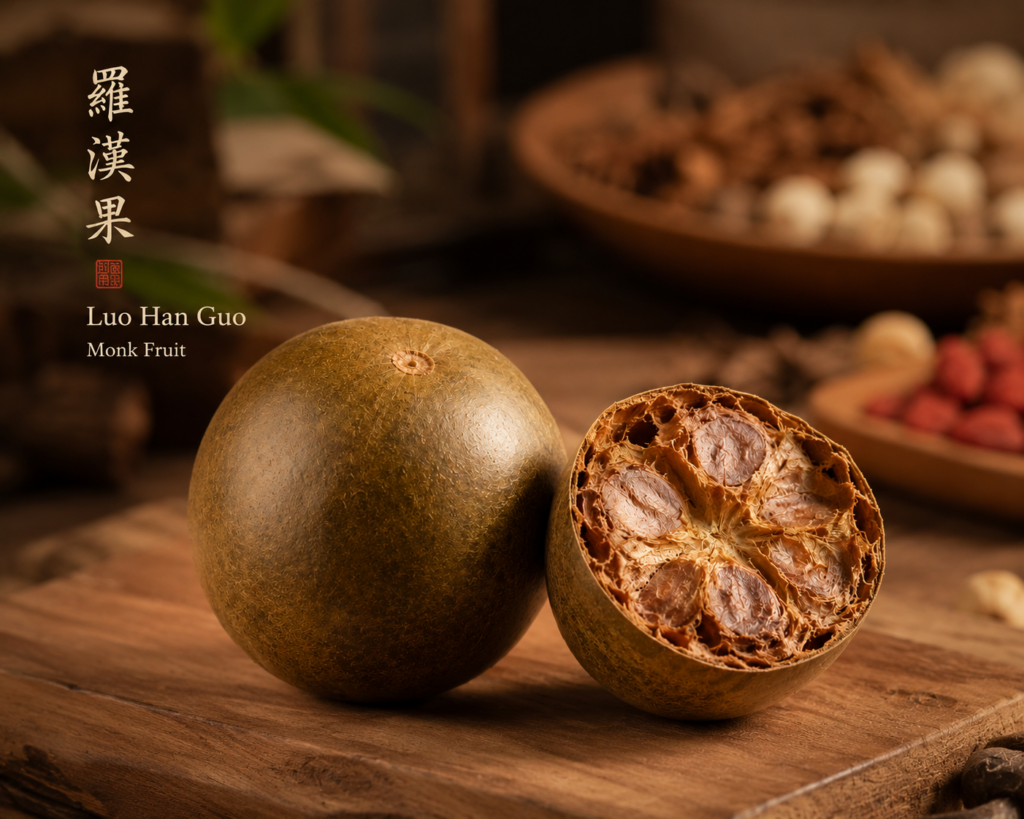
Luo Han Guo, commonly known as monk fruit, is a valued TCM herb traditionally used to clear heat, support the Lungs, soothe the throat, and relieve dryness and discomfort. It is particularly valued for supporting throat and respiratory comfort and is commonly prepared as a tea or infusion. Luo Han Guo can be enjoyed in tea, often with other traditional herbs such as goji berries and chrysanthemum.
Shan Zha (山楂): Hawthorn Berry
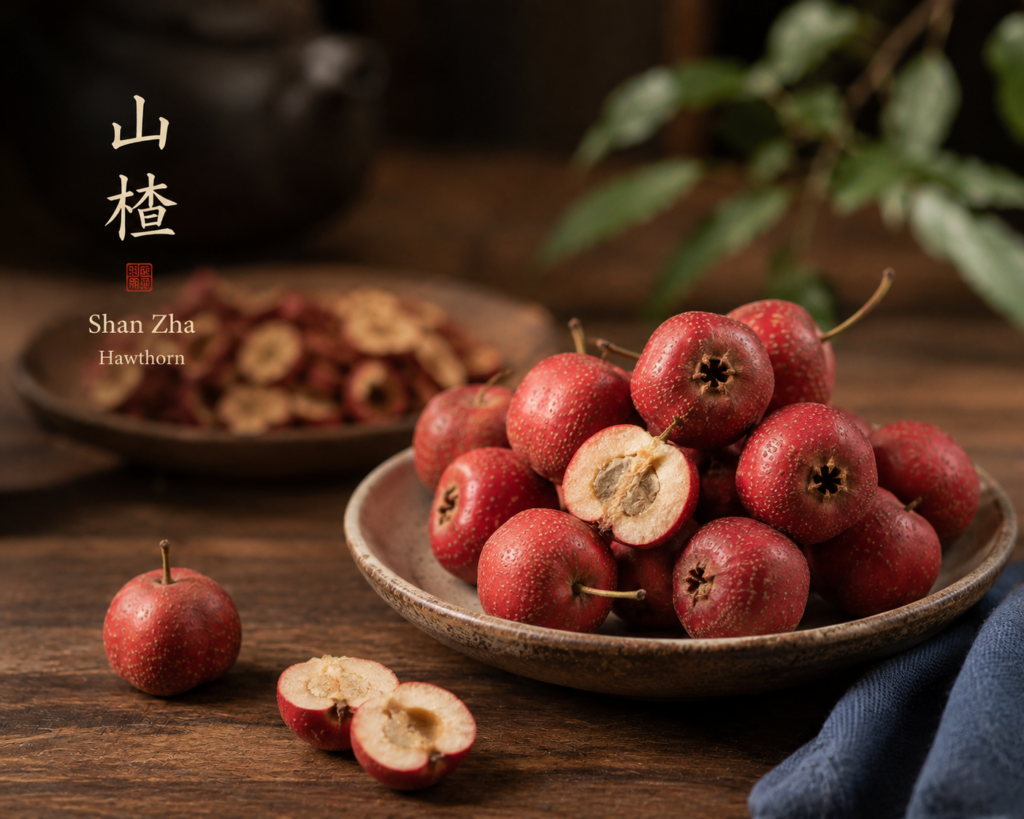
Shan Zha, commonly known as hawthorn berry, is a valued TCM herb traditionally used to support healthy digestion, promote the movement of food, and ease digestive discomfort. It is particularly valued for supporting the digestion of rich or fatty foods and is also commonly used to promote healthy blood circulation. Shan Zha can also be enjoyed as Tanghulu (candied hawthorn), a popular traditional Chinese snack.
Bing Lang (槟榔): Betel Nut
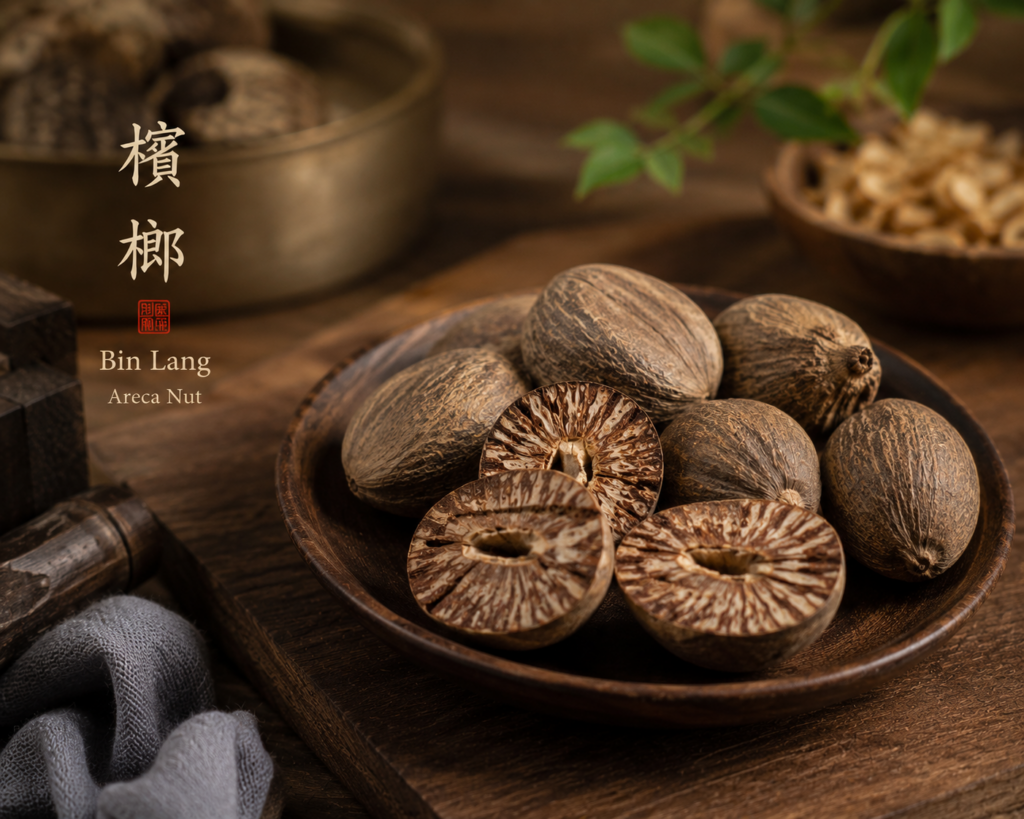
Bing Lang, commonly known as betel nut or areca seed, is a traditional TCM herb used to promote digestion, regulate Qi, and reduce food stagnation and abdominal discomfort. It is also traditionally used to promote urination and address intestinal parasites. Due to potential health risks associated with betel nut, Bing Lang should only be used under professional guidance. Please book an appointment with our licensed practitioners before using it.
Shu Di Huang (熟地黄): Prepared Rehmannia Root
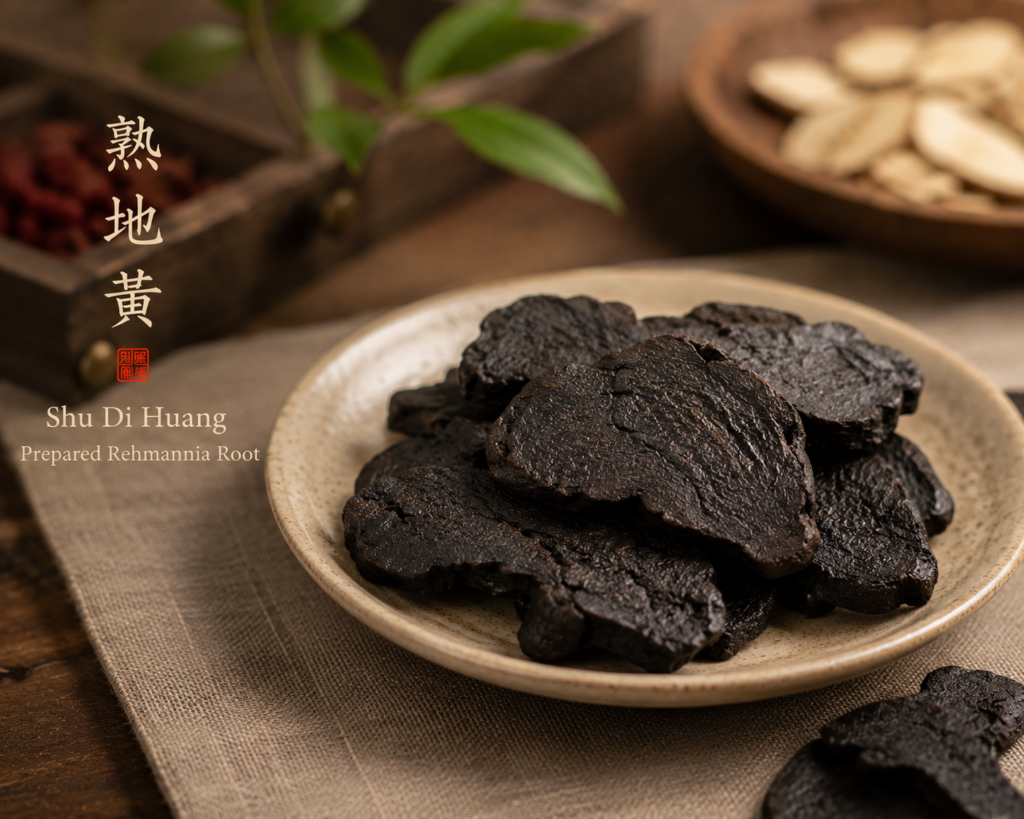
Shu Di Huang, commonly known as prepared Rehmannia root, is a valued TCM herb traditionally used to nourish Blood, support Yin and Essence, and support the Liver and Kidneys. It is particularly valued for addressing signs of Blood or Yin deficiency and is commonly included in herbal formulas to support vitality and restorative health. Shu Di Huang is best used according to individual TCM needs. Please book an appointment with our licensed practitioners for personalized guidance.
Chuan Xiong(川芎): Ligusticum wallichii
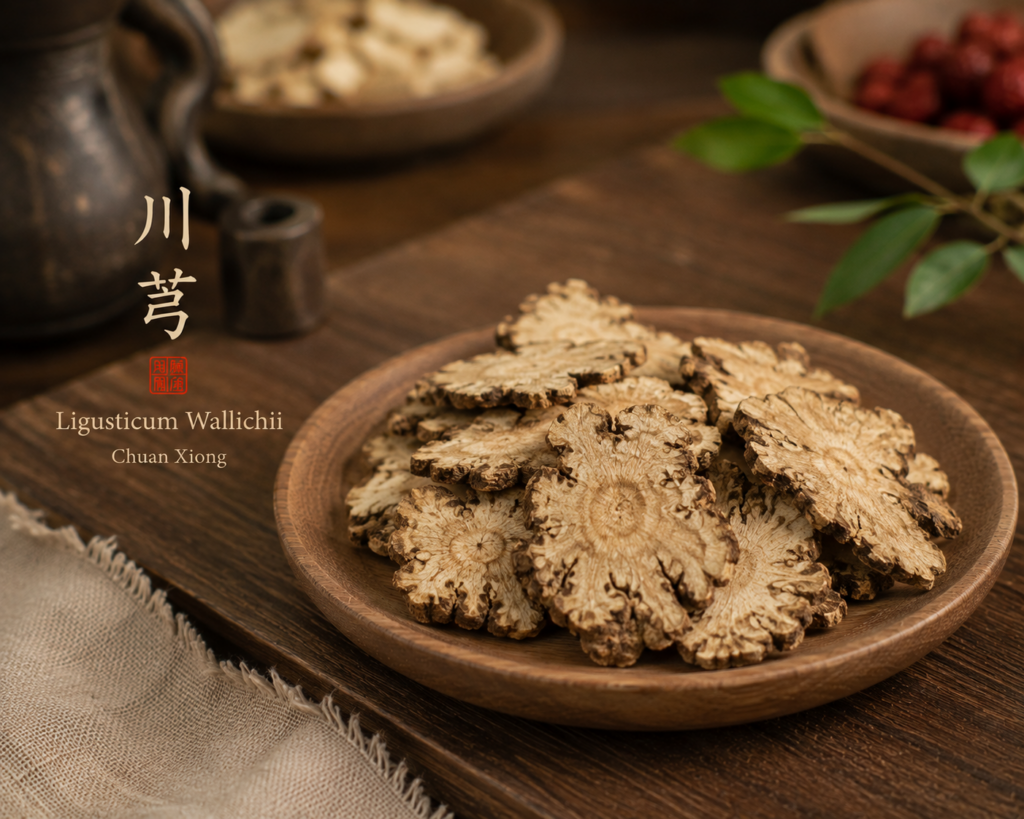
Chuan Xiong, commonly known as Chuan Xiong rhizome, is a valued TCM herb traditionally used to promote healthy blood circulation, regulate Qi, and ease pain and discomfort. It is particularly valued for supporting circulation and is commonly used for headaches, menstrual discomfort, and discomfort associated with Qi stagnation. Chuan Xiong is traditionally used in combination with other herbs according to individual TCM needs. Please book an appointment with our licensed practitioners for personalized guidance.
Huang Qi (黄芪): Astragalus Root
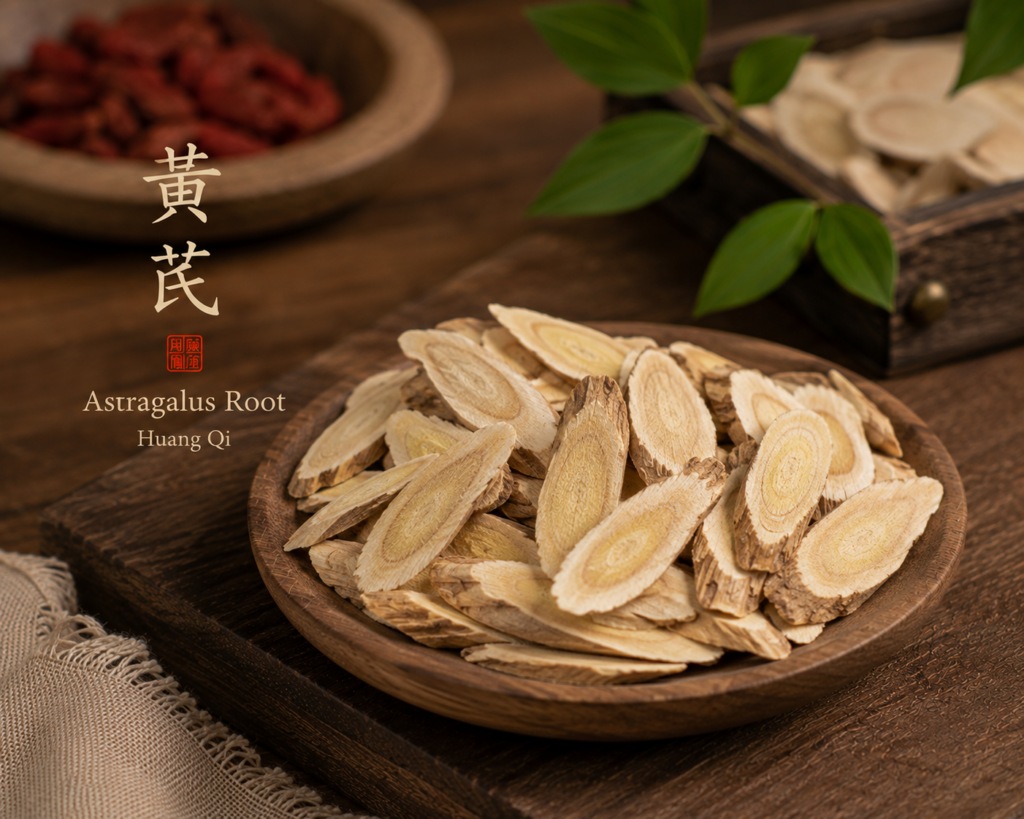
Huang Qi, commonly known as astragalus root, is a valued TCM herb traditionally used to support Qi, strengthen vitality, and support the Spleen and Lungs. It is particularly valued for supporting energy, healthy fluid metabolism, and recovery from weakness or fatigue. Huang Qi can be enjoyed in nourishing soups, including traditional chicken and herbal soups.
Suan Zao Ren (酸枣仁): Sour Jujube Seed
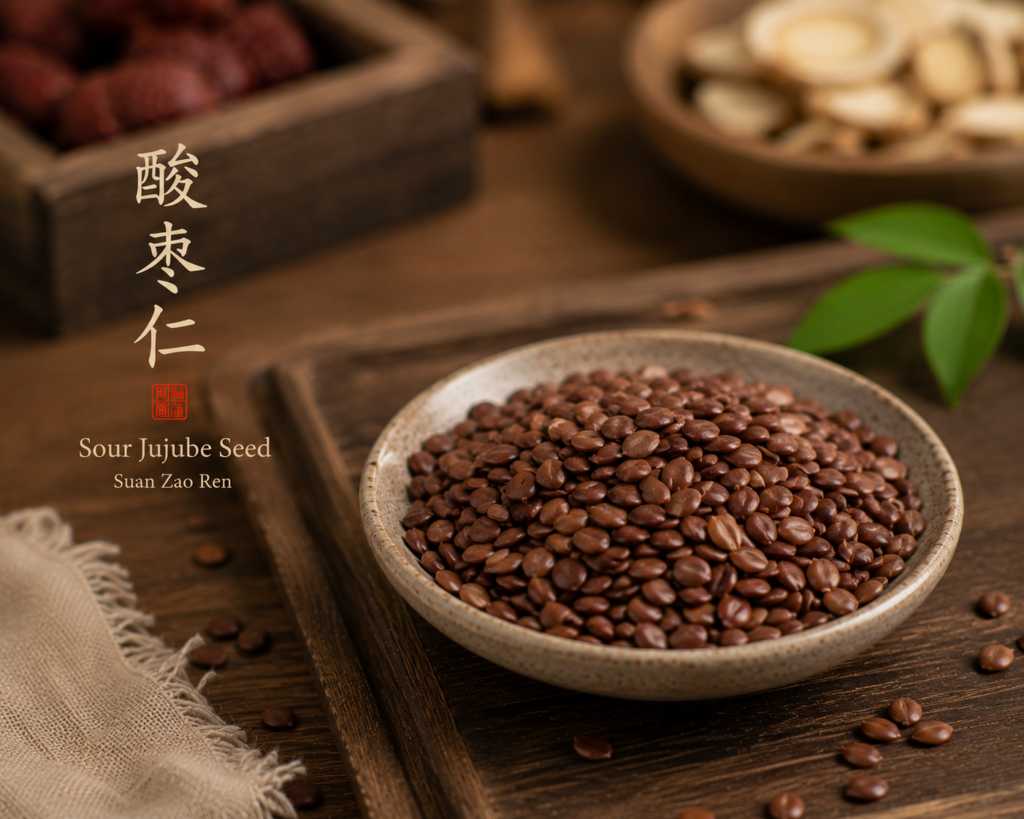
Suan Zao Ren, commonly known as sour jujube seed, is a valued TCM herb traditionally used to calm the mind, nourish the Heart, and support restful sleep. It is particularly valued for supporting relaxation and easing restlessness and is commonly used when sleep disturbances are associated with deficiency patterns in TCM. Suan Zao Ren is traditionally prepared in herbal formulas according to individual needs.
Du Zhong (杜仲): Eucommia Bark
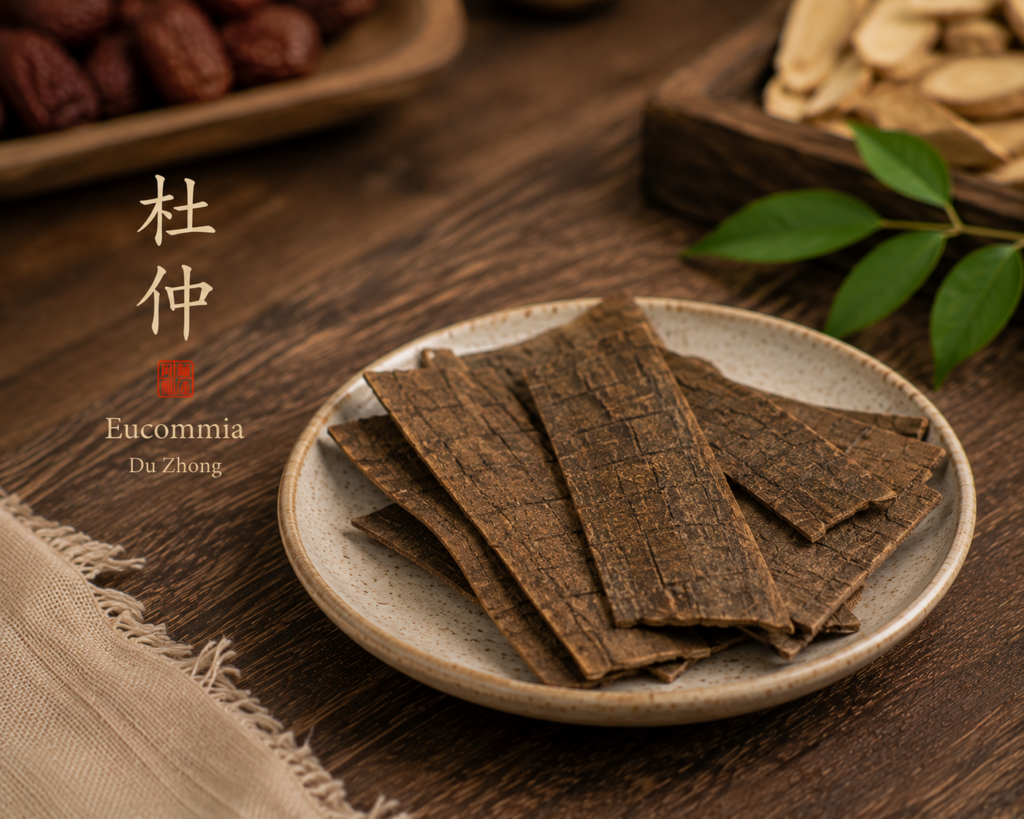
Du Zhong, commonly known as eucommia bark, is a valued TCM herb traditionally used to nourish the Liver and Kidneys and support the tendons and bones. It is particularly valued for supporting the lower back, knees, and musculoskeletal strength. Du Zhong is also traditionally used to support pregnancy when indicated in TCM. Please book an appointment with our licensed practitioners to learn whether Du Zhong may be appropriate for your individual needs.