

If you are living with myasthenia gravis (MG), you know that every day can be different.
One day you may feel almost normal. The next, holding up your head, speaking clearly, or even keeping your eyes open may require tremendous effort.
Muscle weakness in MG worsens with activity and improves with rest. As a result, many people plan their lives around their energy instead of their dreams. Although modern treatments (e.g. medications, immunotherapy, and specialized neurological care) have greatly improved survival and disease management, many patients still experience fatigue, fluctuating weakness, poor sleep, stress, anxiety, and reduced quality of life.
This leads to an important question:
What else can I do to help my body function better and live more normally?
Many people use Traditional Chinese Medicine and herbal medicine alongside neurological care. These therapies support the whole person without replacing modern medicine.
Looking Beyond Symptom Control
People who seek Chinese herbal medicine are rarely searching for a miracle cure.
Instead, they hope to:
- Improve daily energy and reduce fatigue
- Increase muscle endurance and recover more quickly after activity
- Able to manage daily activities independently
- Sleep more soundly
- Better manage stress and anxiety
- Improve digestion and overall vitality
- Enhance their quality of life while continuing standard neurological treatment
Living with MG affects much more than muscles. It influences independence, confidence, work, family life, and emotional well-being. A truly comprehensive treatment approach recognizes that caring for the person is just as important as managing the disease.
Can Chinese Herbal Medicine support People with Myasthenia Gravis?
Yes, as a complementary therapy.
There is currently no scientific evidence that Chinese herbal medicine cures myasthenia gravis or replaces treatments prescribed by a neurologist. Patients should continue with their prescribed medical care and follow up with their neurology team.
However, decades of clinical practice and a growing body of research suggest that individualized Chinese herbal medicine may help improve overall well-being, reduce fatigue, support physical recovery, and improve quality of life in many people living with chronic neurological disorders. Many patients return to their normal lives.

A Unique Partnership with One of China’s Leading MG Experts
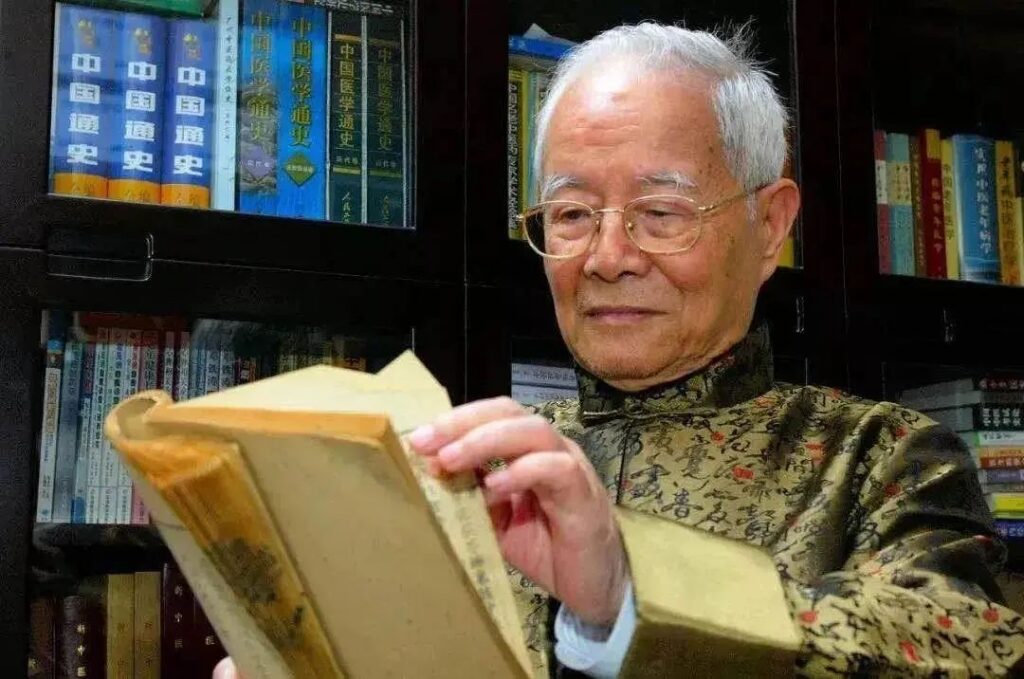
At Smart Health TCM, we are proud to collaborate with the renowned Legend and late master of Traditional Chinese Medicine, Professor Deng Tietao (邓铁涛) Myasthenia Gravis Team at Guangzhou University of Chinese Medicine, one of China’s most respected centers for the integrative treatment of myasthenia gravis.
Professor Deng Tietao, one of China’s National Masters of Traditional Chinese Medicine, devoted decades of clinical research to treating MG. According to the team’s published clinical experience, approximately 90–95% of patients experienced overall clinical improvement through an integrative treatment approach combining individualized Chinese herbal medicine with appropriate conventional medical care. Many patients significantly improved muscle strength, physical function, and had fewer symptoms. They became more active and independent in their normal, daily lives. Individual outcomes vary depending on disease severity, duration, overall health, and adherence to treatment.
Inspired by his clinical experience, Smart Health TCM strives to follow Professor Deng Tietao’s individualized treatment philosophy to patients in coordination with your neurologist through our collaboration with Professor Deng’s team. Treatment can be done via distant consultation with herbal prescription.
The occurrence and progression of a disease changes in thousands of ways; it cannot be rigidly stamped by just a few classifications. Moving from rigid typing to grasping the primary symptoms—the core contradiction—is a much higher realm of differentiation… It means entering a realm of clinical freedom.
– Professor Deng Tietao
Individualized Treatment: Not One Formula for Everyone
In Traditional Chinese Medicine, we treat the person, not just the diagnosis.
Two people with the same diagnosis of myasthenia gravis may have very different underlying patterns of imbalance. Besides a principal herbal formula, every herbal prescription is customized according to each patient’s constitution, symptoms, tongue and pulse findings, medical history, and current medications.
Integrative Care Offers the Greatest Opportunity
Chinese herbal medicine doesn’t replace medications such as pyridostigmine, corticosteroids, immunosuppressants, biologic therapies, or any treatment recommended by your neurologist.
Instead, practitioners use herbal medicine to complement evidence-based medical care by supporting your body’s overall function, resilience, and recovery.
At Smart Health TCM, our practitioners carefully coordinate every treatment plan with each patient’s medical history and ongoing neurological care. Every patient should also continue working closely with their neurologist. Combining modern medicine and TCM results in the best outcome.
Why Fatigue Deserves More Attention
For many people living with myasthenia gravis (MG), fatigue is one of the condition’s most challenging symptoms. Even when muscle strength appears stable, physical activity, emotional stress, illness, poor sleep, or heat can worsen weakness and exhaustion, affecting work, family life, and overall well-being.
Many people also experience:
- Persistent muscle weakness and fatigue
- Neck, shoulder, and back pain
- Muscle tension headaches
- Anxiety about symptom flare-ups
- Poor sleep and reduced quality of life

A Traditional Chinese Medicine Perspective
In TCM, myasthenia gravis is described as “Spleen–Stomach deficiency with involvement of the Five Zang organs.” The Spleen and Stomach are the foundation of Qi and Blood, providing nourishment for healthy muscle function. When this system becomes weak, patients may experience fatigue, muscle weakness, poor endurance, digestive problems, and slower recovery after activity.
Thus, Professor Deng emphasized strengthening the Spleen, replenishing Qi, raising Yang, and restoring muscle function. He tailored treatment to each patient’s unique pattern.
What Does the Research Say?
Researchers continue to study individualized Chinese herbal medicine alongside conventional neurological care to treat MG. Early findings suggest it may improve fatigue, muscle function, and quality of life. Research on Professor Deng Tietao’s treatment principle and clinical use in the hospitals in China has also shown encouraging results.
Clinical Research Evidence
A 2021 systematic review and meta-analysis found that Chinese herbal medicine used alongside conventional medical treatment may improve clinical symptoms and overall treatment effectiveness compared with conventional treatment alone. However, the authors also noted that many of the included studies were small and had methodological limitations, emphasizing the need for larger, high-quality randomized controlled trials before definitive conclusions can be drawn.
How Chinese Herbal Medicine May Work
Laboratory and experimental studies have shown that certain Chinese herbal compounds may modulate immune responses, regulate inflammatory pathways, and reduce oxidative stress, which may play a role in autoimmune diseases.
The Role of Chinese Herbal Medicine in Myasthenia Gravis Care
Taken together, current evidence suggests that Traditional Chinese herbal medicine may serve as a complementary therapy alongside standard neurological care, potentially supporting symptom management and improving quality of life for some individuals. Do not replace neurologist-prescribed medications or treatments. International guidelines recommend conventional medical therapy as the foundation of MG management. As with many complementary therapies, responses vary between individuals. Treatment is most appropriate when herbal formulas are individualized, monitored by a qualified TCM practitioner, and coordinated with your neurologist and healthcare team to ensure the best possible outcomes.
What to Expect During Your Visit
Your first appointment includes a comprehensive evaluation of your medical history, neurological diagnosis, medications, symptoms, sleep, digestion, lifestyle, and emotional health.
Using TCM pattern differentiation, including tongue and pulse assessment, we develop a personalized herbal treatment plan based on your unique condition. Your formula is adjusted over time as your health changes and is designed to work safely alongside your neurologist’s care.
Why an Integrative Approach Matters
Managing myasthenia gravis often requires a team approach. Your neurologist treats the autoimmune disease, while Traditional Chinese Medicine focuses on supporting the body’s overall function, reducing fatigue, improving recovery, and enhancing quality of life.
Our goal is not to replace conventional medicine, but to combine the strengths of both Eastern and Western medicine for the best possible patient outcomes.

Personalized Care for Every Patient
No two people experience myasthenia gravis the same way. At Smart Health TCM, we take the time to understand your symptoms, medical history, medications, and overall health before creating an individualized Chinese herbal medicine plan.
Working alongside your neurologist, our goal is to help you improve energy, restore muscle function, support recovery, and live a healthier, more active life.
Our Mission
Our goal is simple:
To help people living with myasthenia gravis regain strength, improve daily function, reduce fatigue, and enjoy the highest possible quality of life through a personalized, evidence-informed integrative approach.
Contact Us
med@smarthealthtcm.com
(212)-295-0043